
Ómós Digest #210: Composing Compost
Writer and gardener Kate Heffernan on the magical transformation of waste.

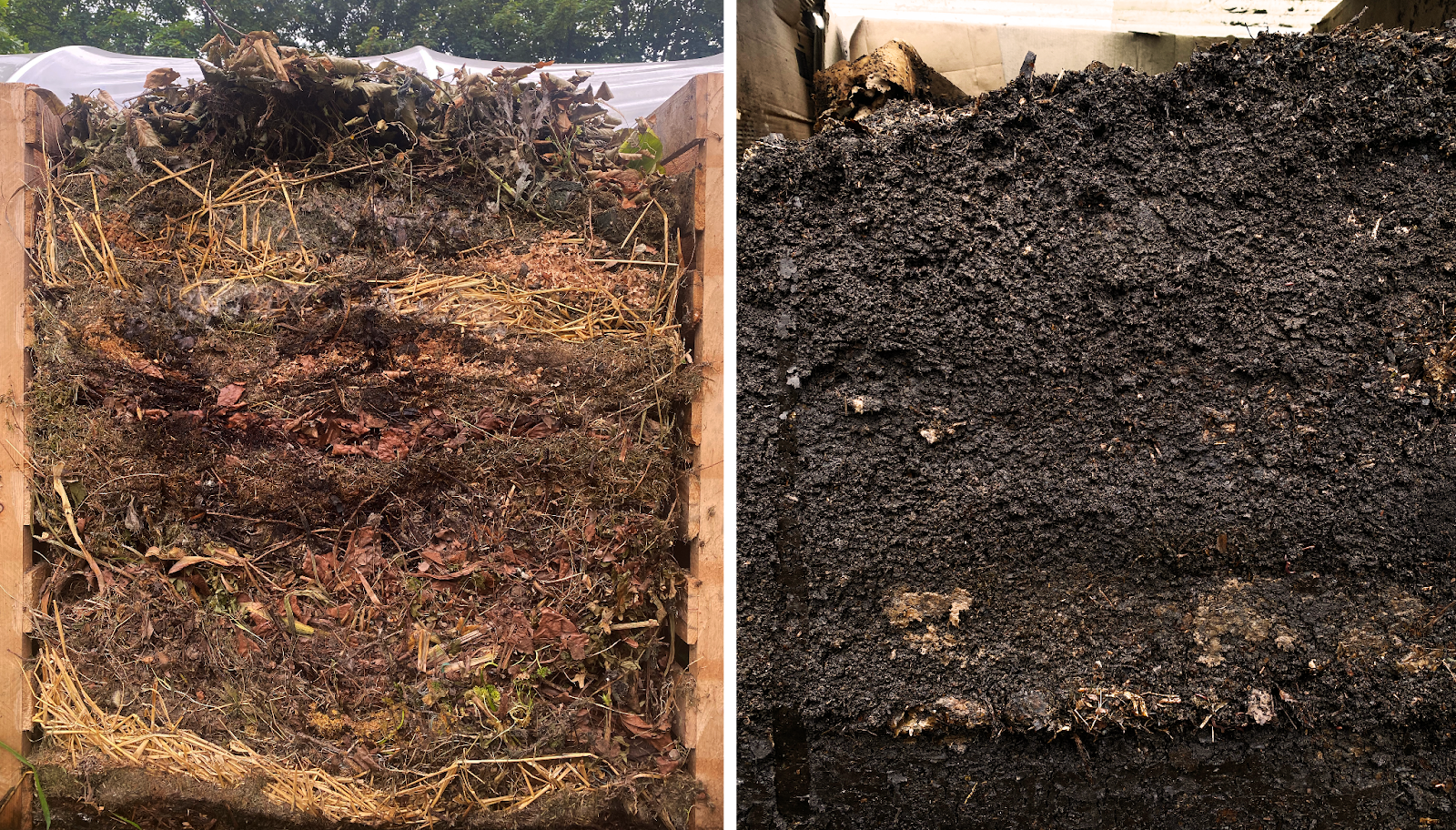
Cúán and I have corresponded for nearly two years now, but despite the fact I live less than 20 minutes from Millbrook, we managed to meet for the first time only last week, on my first visit to Ómós. (Not for want of trying on both our parts!). On a guided tour of the site, from the guesthouse renovation to the restaurant build, I was overwhelmed by the scale, detail and ambition around every corner. It is clearly a project based on an ethos of elevating excellent ingredients—but this is not limited to the food that will be created and served here. The treatment of design, building and craft seems to me to be all about taking the best quality materials and transforming them into something much, much greater than the sum of those parts. When Cúán pointed out the site of the future walled kitchen garden, my thoughts drifted to compost - a craft in itself - my own experience and experiments, and what its place might be at Ómós.
I have a ritual at the end of every play rehearsal process. Once the curtain comes down on opening week, I gather all those old drafts of the play—dozens of annotated stacks that have accumulated in messy piles in the corner of the rehearsal room, on my desk, under the couch, in the boot of the car—and I shred them.
(Forgive me archivists, I live in a very small house.)
The process is deeply therapeutic: to watch the fine blades slice effortlessly through that early work, with its overwrought ideas and underwritten character arcs. That one slim bundle that remains—labelled proudly: FINAL DRAFT—is the distilled version of this dog-eared ream. The culmination of the work of many, over months and sometimes years, it is a spare and muscular text; the scaffold on which the production is built.
In a satisfying final act, I take these shredded paper ribbons to the garden and I scatter them on the compost heap.
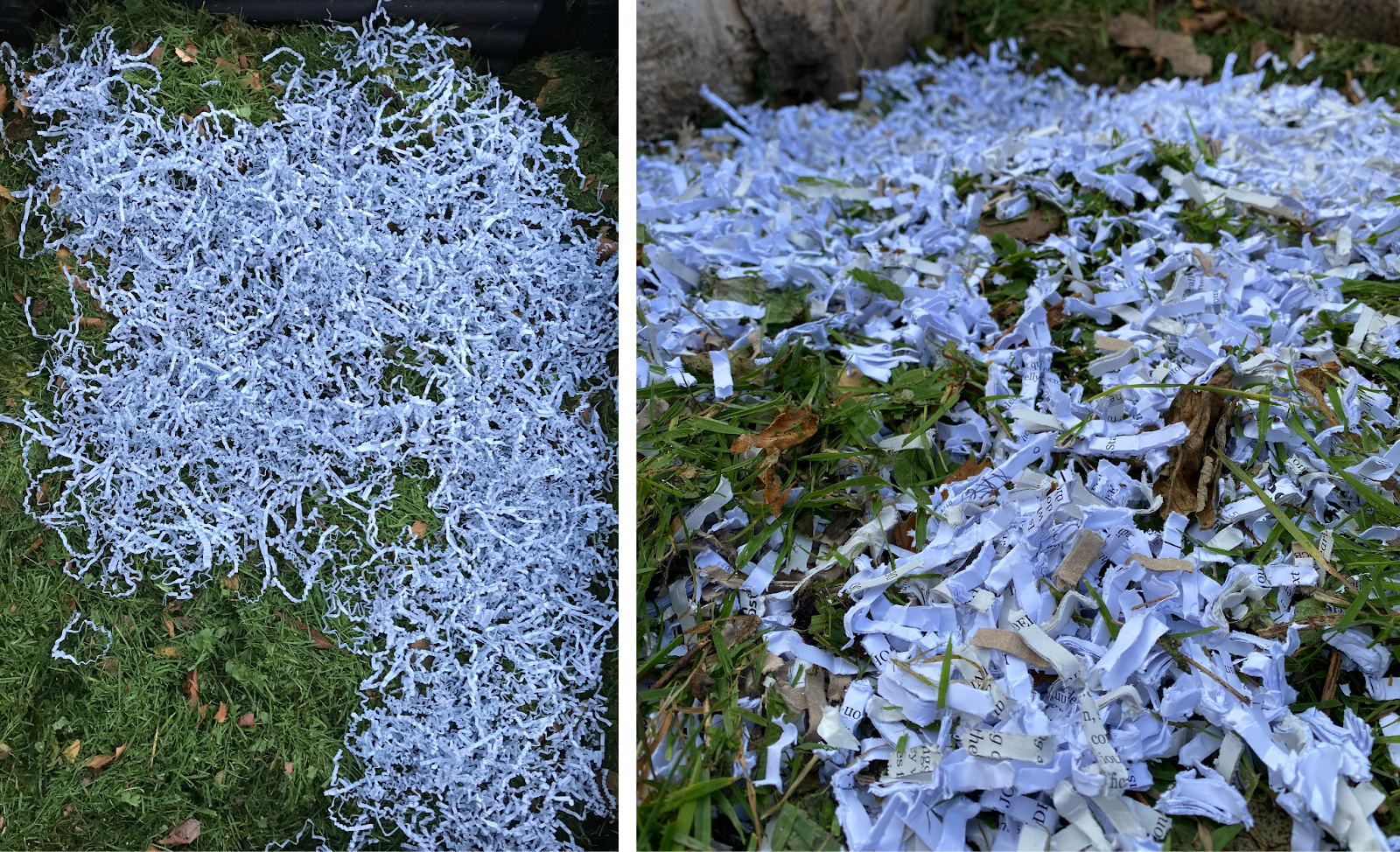
This accumulating heap in my vegetable garden is a mixture of fermenting grass clippings, mouldy coffee grounds, two-year old wood chip from a felled Leylandii, a swathe of crude expositional dialogue, slug-devoured radish remnants, a lemongrass plant rotted by frost, the slimy contents of the kitchen caddy, a hand-scrawled !NEW SHORT SCENE NEEDED HERE KATE! note-to-self, the daggy fleece of a sheep, a clutch of bolted turnips, a seed tray of sea-kale that never germinated, nettles and scutch grass wrenched from the rhubarb bed, windfall apple skins hollowed out by blackbirds, the yellowed lower leaves of broccoli, half-decayed sycamore leaves, poo-matted straw bedding from the henhouse, a soggy cauliflower decimated by cabbage white caterpillars, a line of dialogue where a character mentions the play title (cringe).
Writing only ever begins badly, with a bad first draft. That process involves sitting and tolerating yourself long enough to grind out that bad first draft: to tolerate your shortcomings, your failings, your inadequacies, your clunky constructions. If, in the world of food, the ethos and process is to take the best quality ingredients you can find and transform them into something even more exquisite, in writing, conversely, the process for me has always been about reverse engineering something palatable from, frankly, rotten ingredients. In this, writing is much more closely aligned with compost making.
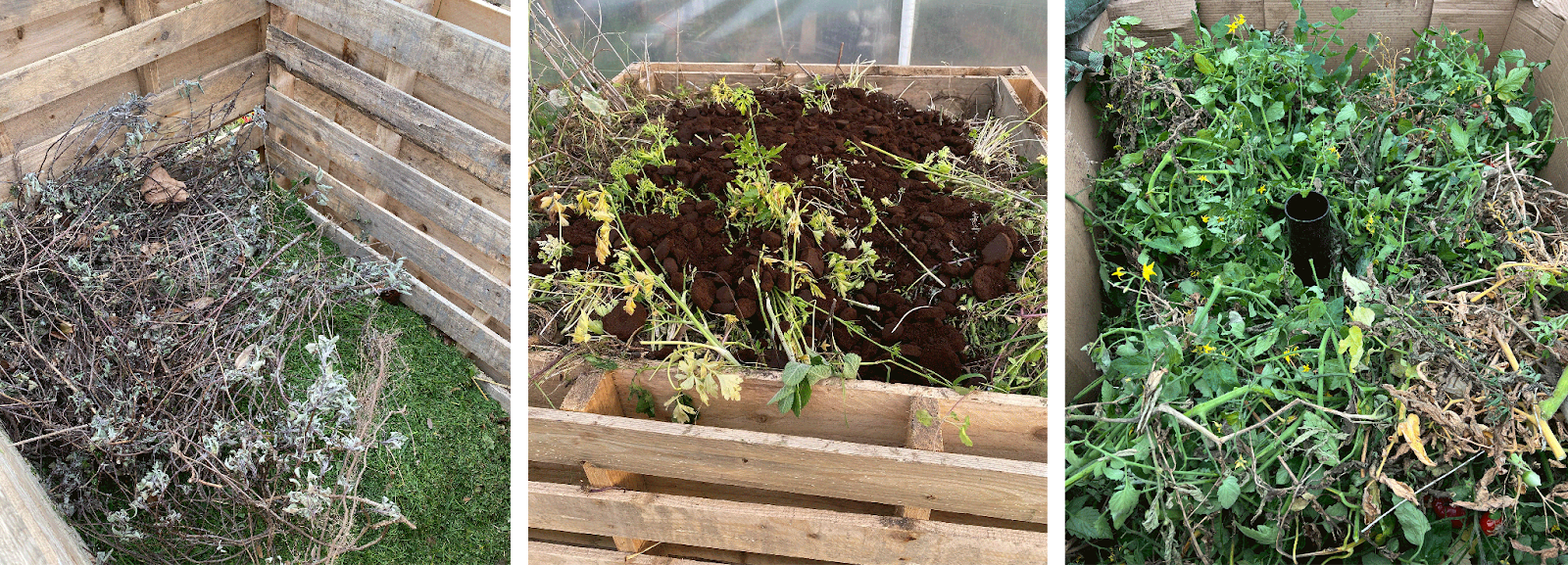
Most people will have had some form of compost making in their past or present. We always had an unruly heap growing up: the corner where the lawnmower bag was emptied, and autumn leaves were piled on top. My mum would scoop decomposed matter from this periodically when potting plants, but mostly the heap fed the lush canopy of horse chestnuts above it, and we didn’t give it much care or consideration.
I purchased my first commercial plastic compost bin while still living in Broadstone pre-pandemic. On a bag collection street without a brown bin, we wanted to take responsibility for our organic waste. The cylindrical bin sat (sketchily) in a narrow former coal lane at the back of the terrace. The contents were invariably smelly and sticky. The overly complex online advice I read then about the carbon:nitrogen ratio exceeded my grasp. Unbolting the back gate, bracing to encounter a swarm of fruit flies once the lid came off—or worse, a rat—the process remained unpleasant from beginning to end, and I never quite managed to demystify it in those years. I never harvested any of the contents of that bin before I moved back to Laois.
Five years later, things have changed dramatically. Compost, we know instinctively, is a valuable living resource, a highly nutritious source of fertility for everything we grow. It is more than the nitrogen and other chemical nutrients it contains; it is a living food web, teeming with beneficial bacteria, microbes and fungal life. When I began to develop the vegetable garden here in 2020, making enough compost to service its needs (and not have to rely on dubious commercial alternatives) was an early driving force.
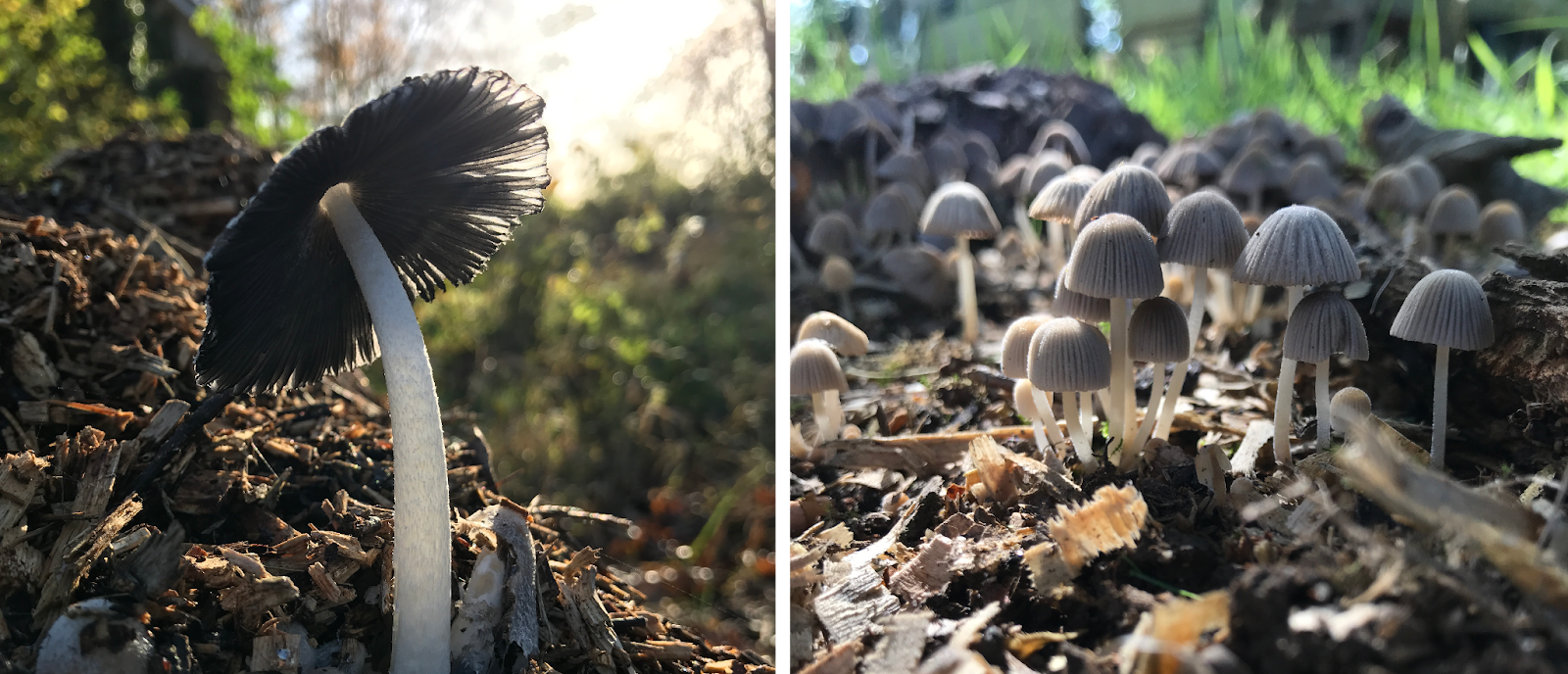
My dad used to complain about boron deficiency in this garden. This mysterious phrase hung over our childhood, and I didn’t think about it again until my first year of using only homemade compost to mulch the beds, when my turnips, swedes, celeriacs and kohlrabis developed hollow cores. In attempting to diagnose the problem, the phrase was staring at me from the computer screen: boron deficiency.
I now know that boron is a trace element necessary for healthy plant growth. And while it is difficult to diagnose, I kept thinking about the words of John Seymour, the icon of the Return to the Land movement and its ethos of self-sufficiency in the mid 20th century. Seymour pointed out that a garden cannot pull itself up by its own bootstraps: if a garden is lacking something, then the compost created within that garden will also lack it.
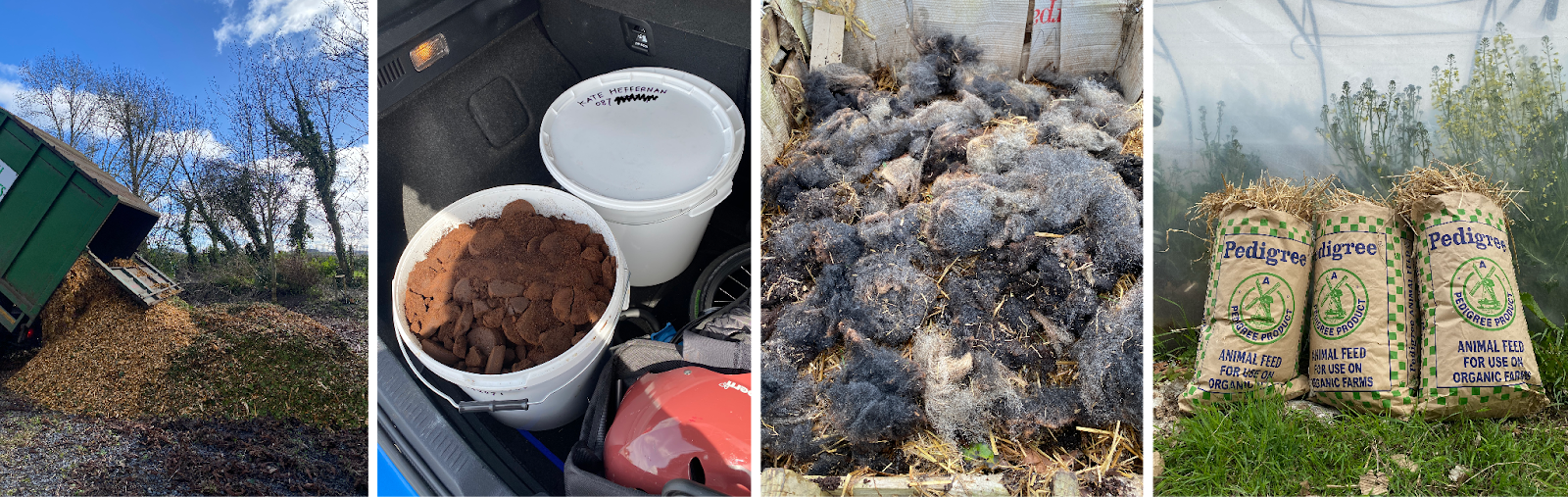
And so early on, I realised that my compost needed some help from the outside. My ingredients list expanded from there: oat straw from Kevin at the Merry Mill, wheat straw from our friend Liz, which we use for chicken bedding, cow manure from George, sheep’s wool from Laura, wood chips from tree surgeon Oliver, and waste coffee from Tom at my local café, Brew.
(Any idea of self-sufficiency supplanted by a much stronger and radical idea of community sufficiency.)
As the garden expanded season on season, the quantity of compost I needed steadily increased. I began with one small commercial bin, which became two, then three. I graduated to one simple bay I constructed from pallets, which grew to two, then three—now six.
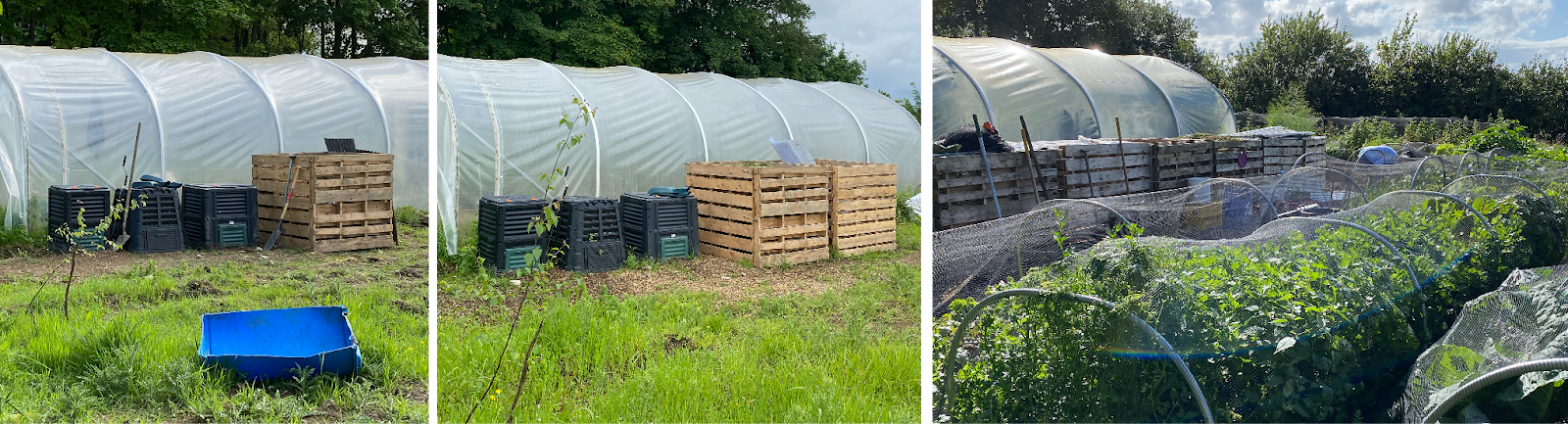
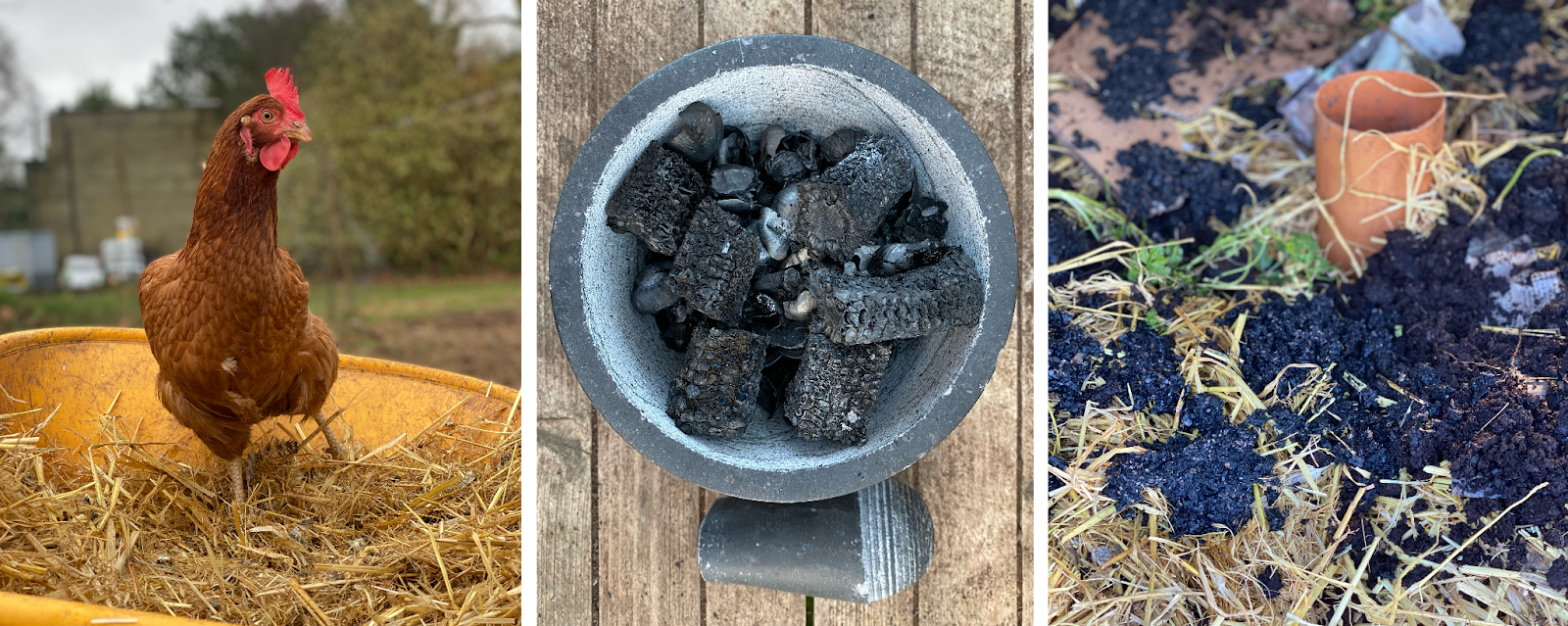
I read widely, trying to break down the complex scientific advice. I experimented with different ingredients and processes to make sense of it. As well as making enough compost, I wanted to try and close my own waste loop. The hens ate our food scraps and garden thinnings, and anything they didn’t eat was scooped up and added to the heap along with the fertile straw bedding from their houses. I began to experiment with making biochar, a carbon-rich form of charcoal that, when added to the compost pile, becomes high-density housing for microbes. I packed a small purpose-made biochar burner with things that don’t rapidly decompose (nut shells, corn husks, bones, avocado skins and stones, nectarine pits) and politely asked my mum to place it in her living room stove.
I become a magpie for browns: collecting and stockpiling autumn leaves and wood chips. Piles accumulated around the house alongside heaps of gifted cow manure, blocking the entrance and forcing me to park my car next door. Friends would phone and ask if I wanted the cardboard from their flat pack furniture. I ran woody brassica stalks and tomato plants through a garden shredder to make them the optimal size for quick breakdown. I bought long probe thermometers and began to track the temperature fluctuations to make sure the pile was getting hot enough (but not too hot).
I become (characteristically) obsessed with the idea of a perfect compost — and with getting that right from day one.
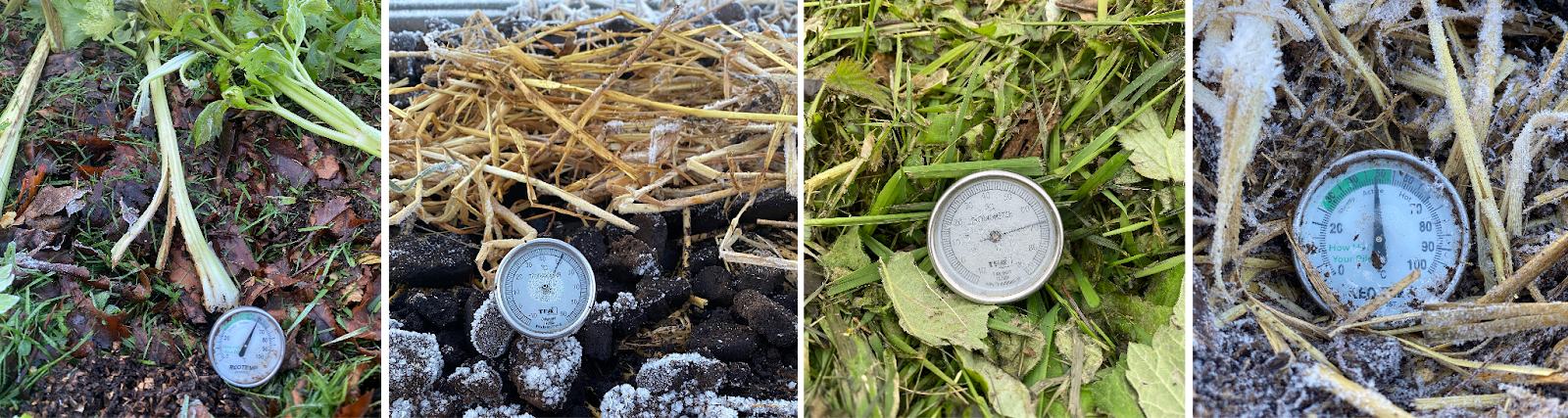
But as I became more familiar with the workings, more comfortable with the rhythm of the year and the cycle of growth, death and decomposition, I realised the process is much more forgiving than some of the advice out there would have us believe. It boils down to a balance of green materials and brown ones, as close to 2:1 as you can roughly eyeball, added in flat layers to help you visualise it. Enough green to promote bacterial life, get some heat and kill some weed seeds; and enough brown to promote fungal life and keep some air in there to prevent anaerobic conditions. The aim is not for perfect conditions, but relatively stable ones.
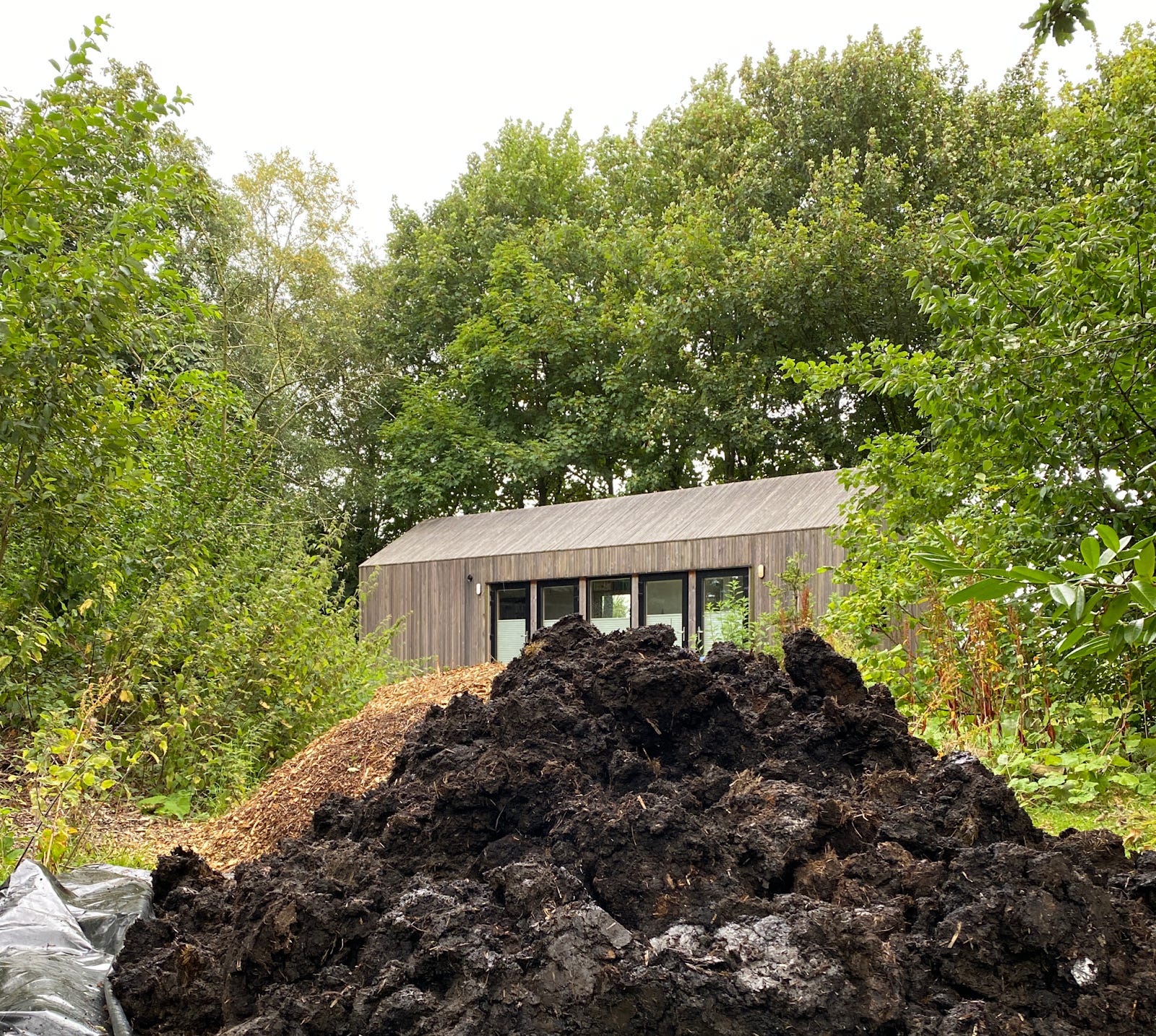
(Examples of greens: grass clippings, kitchen waste, tea and coffee grounds, any and all ‘weeds’, chicken poo. Examples of browns: autumn leaves, partly decomposed wood chip, straw, cardboard, shredded early play drafts.)
The ‘turning’ of the compost for me was an eye-opener. In the New Zealand 3-bay system I began to follow, I fill the left, Bay 1, then the right, Bay 3. Quickly, they will shrink in volume by at least half. I then fork both into the centre, Bay 2. The forking from one bay to another reintroduced some air that had been squeezed out under the weight of material. But it also gives me the opportunity for correction. I water if parts are too dry, add some shredded cardboard if parts are too wet, and fish out bits that seem too big, returning them to Bay 1 so they get another chance at breaking down. By the time Bays 1 and 3 are filled again, the compost in Bay 2 should be ready to use.
This turning is like the process of draft revision. I have learned (later in my writing life than I would have liked) that if you fall in love with revision, it takes the pain out of that bad first draft. After all the writing advice I’ve read, after years of agonising over writing a perfect-as-possible first draft, it was turning compost which flicked this switch for me. A first draft is like a compost bin: throw what you’ve got at it (anything, everything, at least something), then revise, revise, revise.
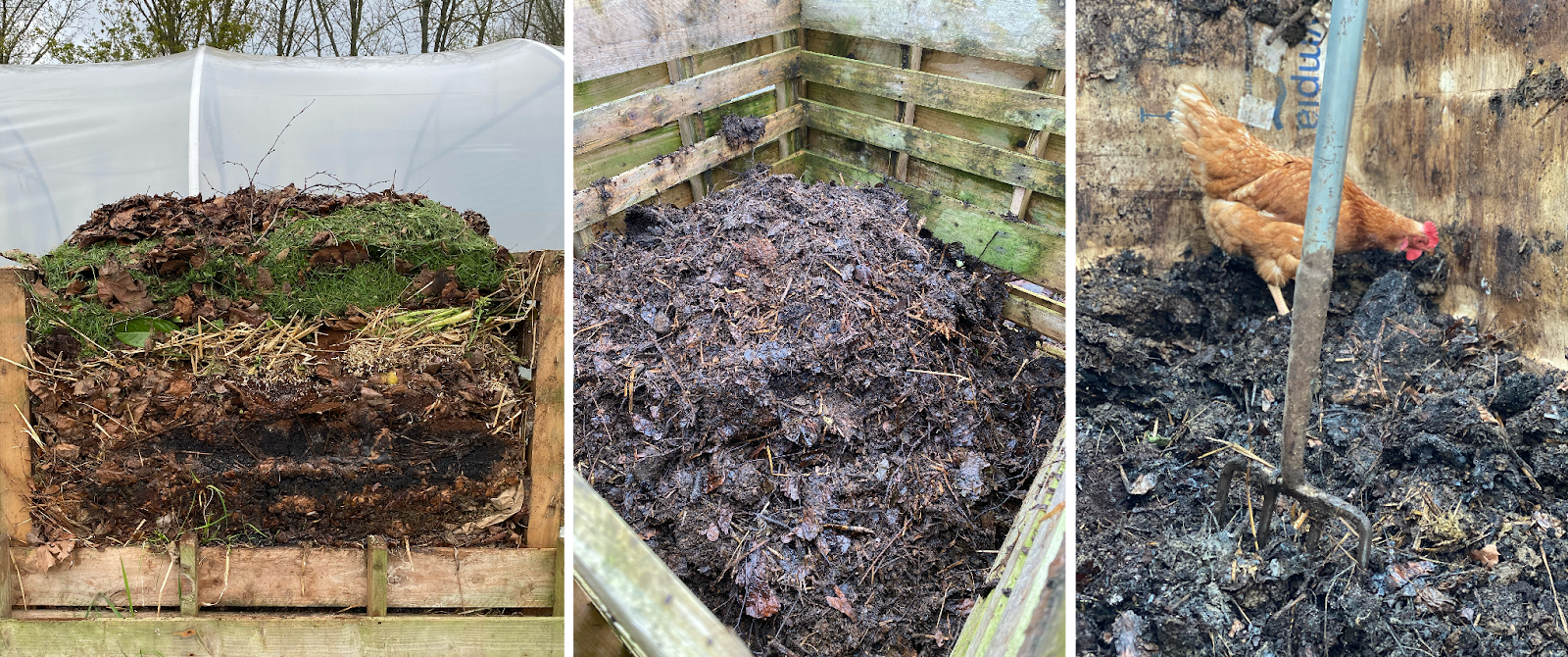
No matter your size of garden, I recommend a minimum of two bins, so you always have this turning opportunity: turning one into the other, correcting and adjusting, then leaving it to sit and mature while you start afresh in the empty bin.
Tracking the trajectory of my compost over the past number of years, it takes on average nine months to mature, and with my six pallet bays (2x 3-bay New Zealand boxes), I can make roughly a cubic metre per season. The reveal when pulling off the pallet covers of those middle bays is always a treat, scooping a dark brown handful that smells sweet and earthy, like it was just scooped from the forest floor.
This compost will never look as perfect or as fine or as even as commercial products, which have been repeatedly ground and screened and produced rapidly at extremely high temperatures. Homemade compost will always contain small bits of wood or twigs, maybe a shard of eggshell and perhaps, some blades of straw. It bares the traces of its own making, like a faint thumbprint on an earthenware mug, a chisel mark on a carved wooden stool, an unintentional ambiguity in a piece of writing.
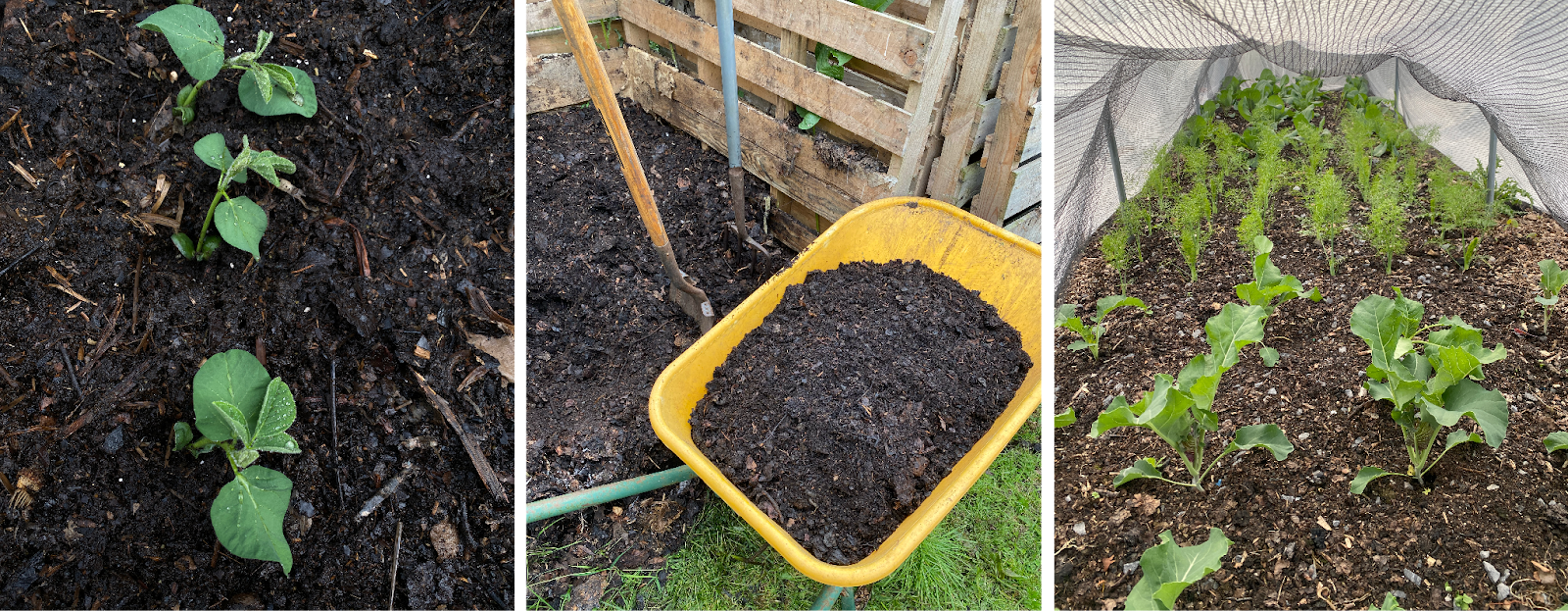
As part of my no-dig approach, I fork this perfectly imperfect substrate into a barrow and spread it on beds as a mulch, leaving the soil undisturbed below, without breaking up fungal and bacterial networks in the soil, or releasing carbon—replicating the natural process of leaf litter accumulating and nourishing the forest floor. This allows those microscopic networks to work away unseen, enabling the roots of the plants that rely on these extensive networks to access the nutrients they need. With this there is an element of faith and trust: all of it happens below the surface, and out of sight, in a process as magical and mystical as it is scientific.
It took me a while to settle on a location for my six bays. In the end, I chose right in the centre of the garden. This is partly practical (I don’t want to have to cart waste material across the site, nor move heavy barrows of finished compost back the same path). But more so, this location is a reminder of its centrality in the garden, of the community support needed to feed it, and the community it in turn feeds, a reminder that it needs to be tended to and cared for (revise, revise, revise). But overall, its central location is a tangible reminder that the process of compost creation reflects the full seasonal lifecycle of the site, from birth to death to decomposition and round again—and that the nourishment it provides is the beating heart of the plot.
As the kitchen garden excitingly takes shape at Ómós in Abbeyleix, I’ll be watching with interest to see where its compost will find its home.
This piece really resonates with me right now, so beautifully written. Sharing it with so many friends for so many different reasons!
Gorgeous piece of writing. Thoughtful, engaging, educational and atmospheric. I have compost envy! 💚